
12 Amazing Landscape Design Ideas for Alabama - The Ultimate Guide for 2026
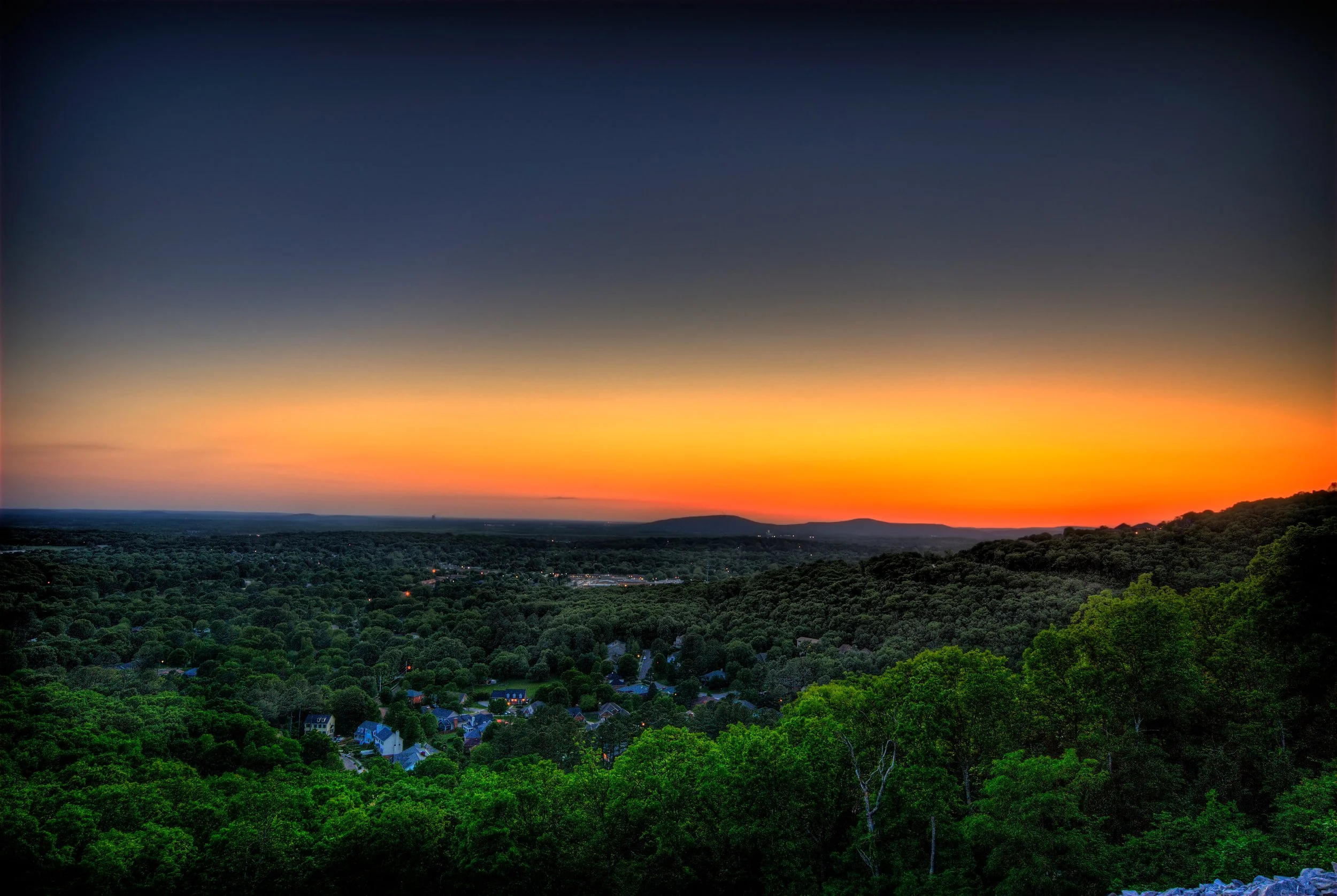
Blevins Gap Overlook in Huntsville, AL
At Foraging Ahead, we believe that native flowers and plants are the secret to a beautifully landscaped home or business. While many local yards stick to the classics like Bermuda grass and evergreen hedges, there is a world of untapped beauty waiting in our own backyard. Landscaping with native species offers so much more! They create thriving local ecosystems, save you money, and look incredible year-round with minimal maintenance.
The unique climate and biodiversity of Huntsville and the surrounding areas offer endless inspiration, from simple rock gardens to lush, functional prairie yards filled with native staples like Coneflowers, Milkweed, and Beautyberry. Ready to make your property stand out this spring and summer? We've expertly curated this list of 12 landscape design ideas for Alabama yards to give you the perfect head start.
Gardens Galore
Native Tea Gardens
Since 2020, "Tea Gardens" have exploded in popularity across the United States. The concept is straightforward: the majority of the species in the garden are explicitly chosen for their potential to be harvested and brewed. While a traditional tea garden typically relies on non-native staples like Camellia sinensis, Chamomile, and invasive Mints, native tea gardens offer a sustainable, low-maintenance alternative perfectly suited for our subtropical climate in Alabama.
Wildflowers native to the Huntsville area are surprisingly plentiful and flavorful. By incorporating species like Yaupon Holly (the only native caffeinated plant in North America), Purple Coneflower, New Jersey Tea, and Mountain Mint, you create a landscape that is both beautiful and functional. With just a little seasonal labor, your tea cabinet can stay stocked all year for free.
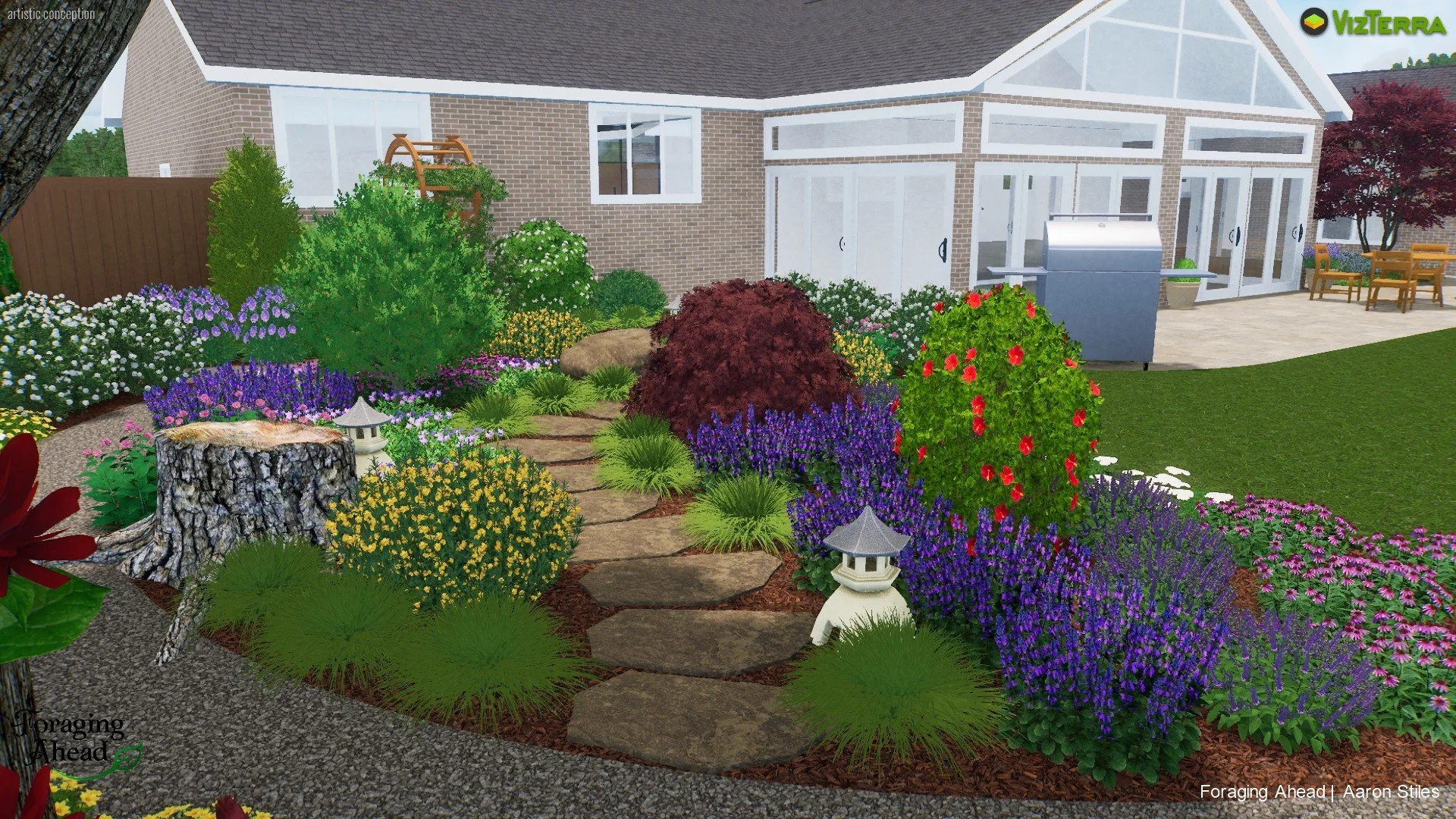
Great example of an intelligently designed Alabama Native Tea Garden
Rain Gardens
Rain Gardens are a great way to provide drainage and maximize water use for your landscape. Areas like the bottom of slopes or under gutters are perfect candidates. Unlike ponds, the water spots are temporary, so aquatic plants should not be used. However, by planting shrubs, flowers, and grasses in these areas, you can effectively cover these puddles and provide essential water after heavy Alabama rains.
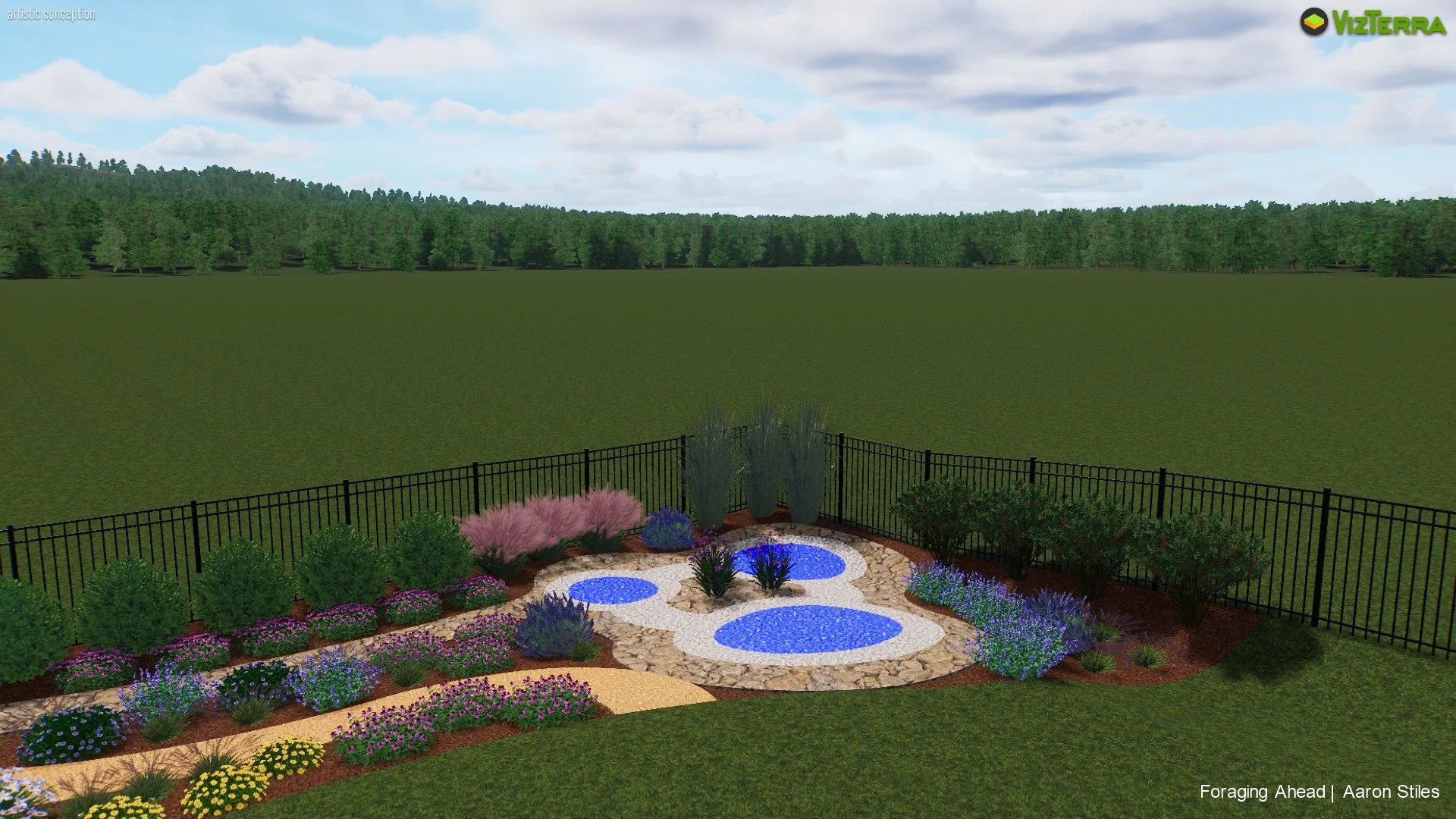
Landscape design showcasing water gardens around stone paths
Shade Gardens
Do you have pine and oak trees shading some areas of your lawn? If so, shade gardens are the perfect design candidate. Look at incorporating heuchera, wood aster, sedges, and many small shrubs to help brighten these areas and add some extra curb appeal to your yard. We love this landscaping technique for wooded backyards as it creates woodland charm and excellent visual interest as it looks much better than traditional grasses that can be hard to grow in deep shade.
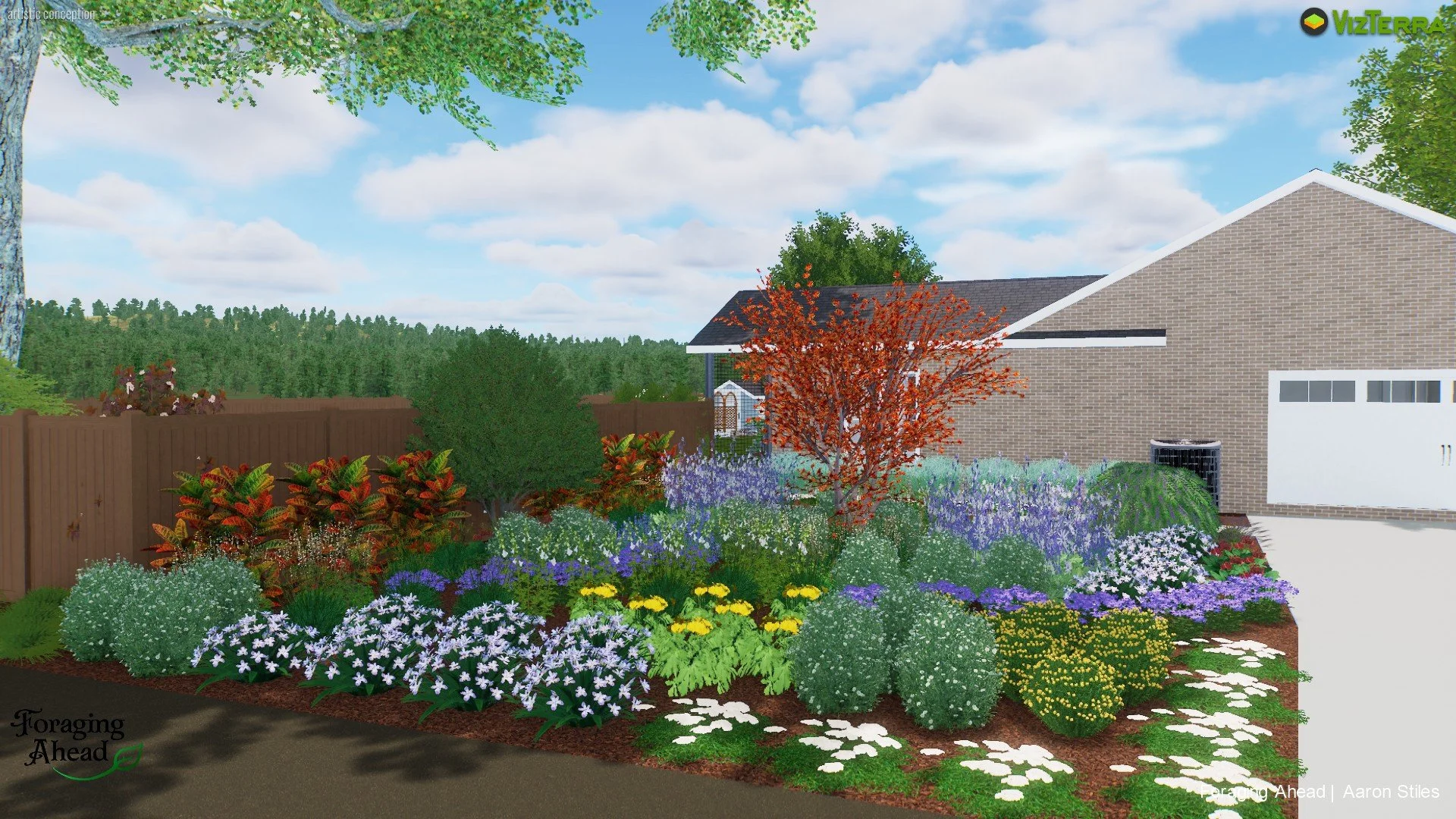
Shade garden landscape design for oak tree shade
Rock Gardens
Consider ditching the pine straw and adding more rocks to enhance the visual diversity of your landscape or garden. Rocks of any size are great for highlighting surrounding native plants and provide habitat structure for reptiles like Anoles. It’s so simple but can be a cheap “set and forget” way to add texture to your yard.
Foraging Ahead Expert Tip: If you use strictly native plants, look for sandstone, granite, or quartz specimens. They are commonly sold at big box stores and material suppliers in Alabama. Avoid limestone as it erodes quickly and can affect the growth of surrounding plants.
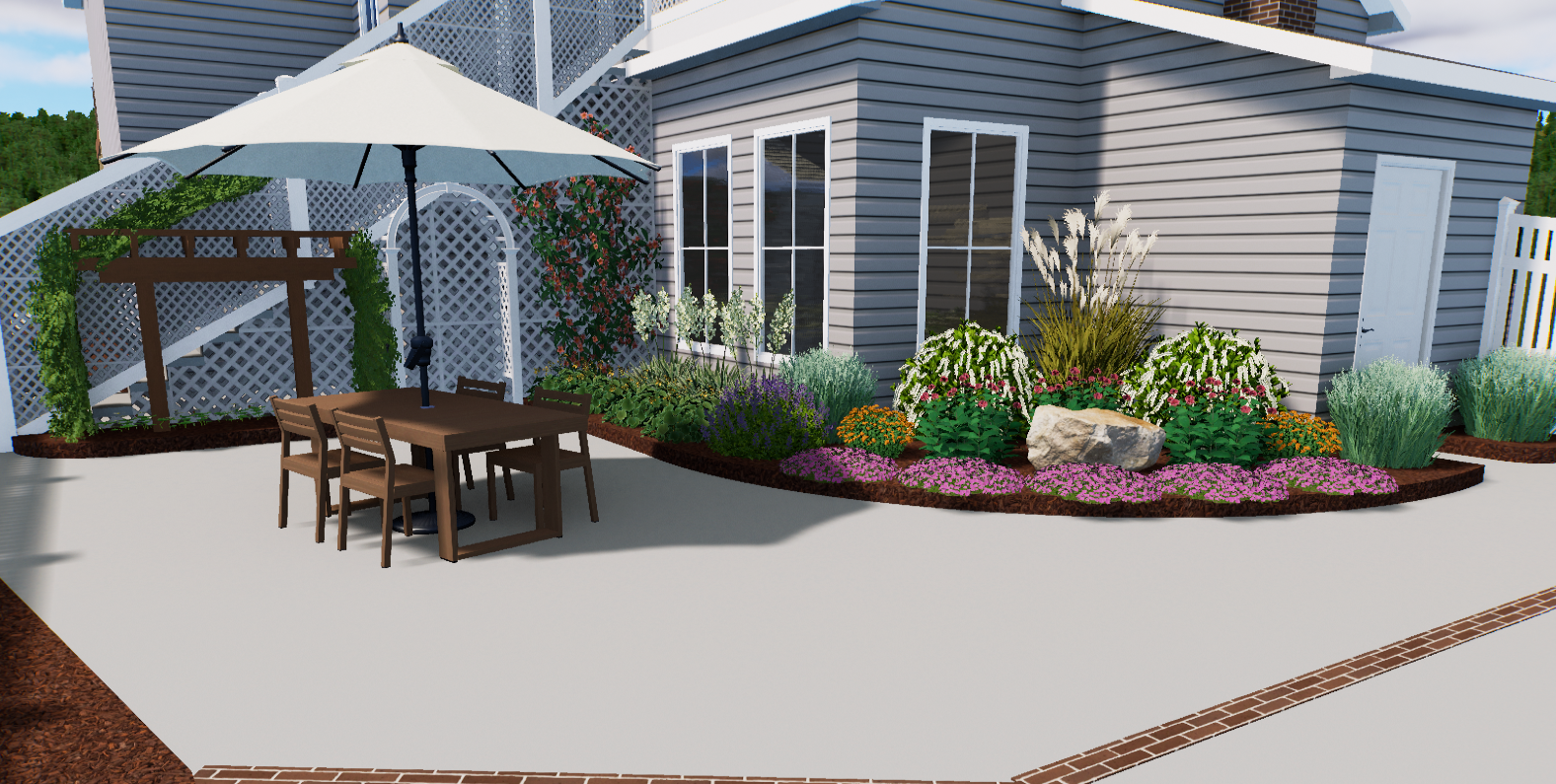
Landscape design using large rocks
Alternatives to Traditional Grass
Unconventional Grasses for Height and Corners
The typical Alabama yard relies heavily on Centipede and Bermuda grasses. While these look great in the peak of summer, they go dormant and look drab in winter. Our solution? Native structural grasses. We aren't suggesting you replace your lawn grass, but rather use these native grasses to accent corners, fill tight spaces, or add height to your flower beds. Unlike standard turf, these plants provide visual interest even after late fall.
Here are two species we highly recommend:
Big Bluestem (Andropogon gerardi): A tall beautiful grass that shifts from blue-green in the summer to a shining reddish-copper in the fall.
Indiangrass (Sorghastrum nutans): A soft, elegant, textured grass to any corner and stays upright long after other plants have withered.
Instead of drying out and looking dull, these natives transition gracefully through a beautiful palette of bronzes and golds, keeping your landscape alive with movement all year long.
Foraging Ahead Expert Tip: We highly recommend removing invasive grasses such as Monkeygrass (which is actually in the asparagus family, and not a grass), as it spreads quickly and crowds natives. Our recommended species create a bigger visual impact and are far easier to maintain.
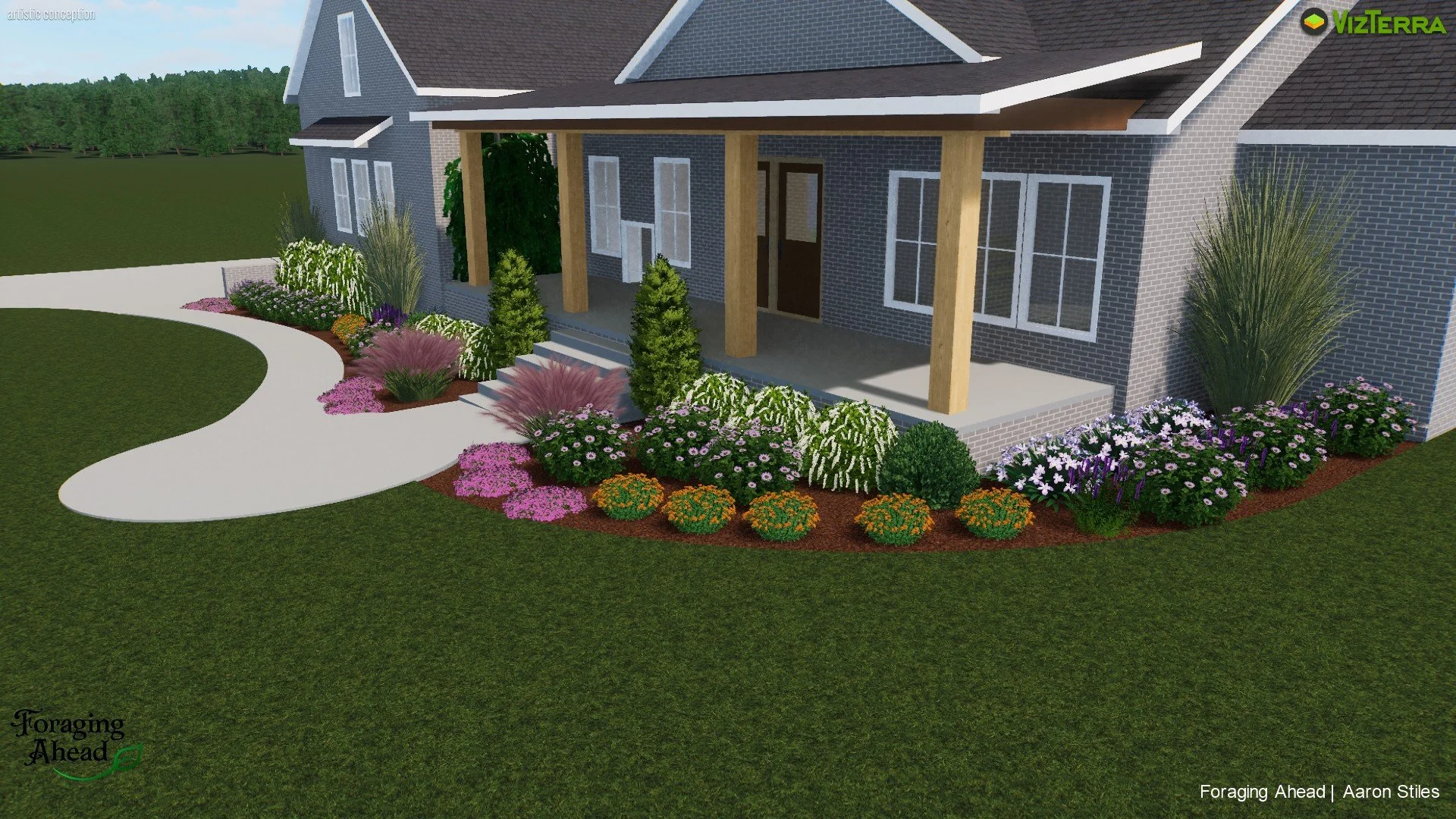
Tall grasses in corners and pockets adds high design value
Green Mulching
Replacing your mulch every year can be exhausting in Alabama. Instead, opt for living, growing, native ground cover that cares for itself. These plants grow in colonies that form dense mats perfect for coverage and keeping weed proliferation down. It’s not a perfect solution by any means but you’ll notice a big difference. Once you see the flowering phase in spring and summer you won’t ever want to go back to buying mulch!
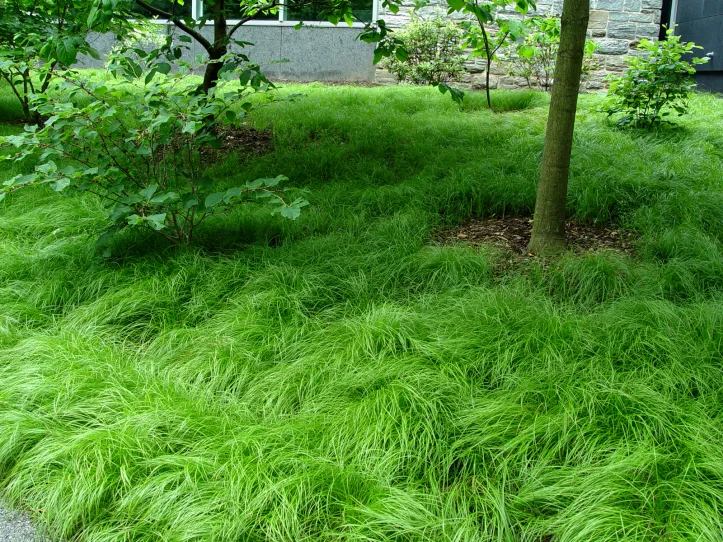
Mature green mulch after a couple of seasons
Unique Landscaping Features
Dry Creek Beds
In spring and summer in Huntsville, we get large amounts of rain in short periods of time followed by stretches of dry days. Dry creek beds help divert rainwater into culverts and keep your lawn from flooding. Plants around the creek bed benefit from the retained moisture as another beneficial side effect. This landscaping feature combined with a small foot bridge look quaint and natural in back and side yards.
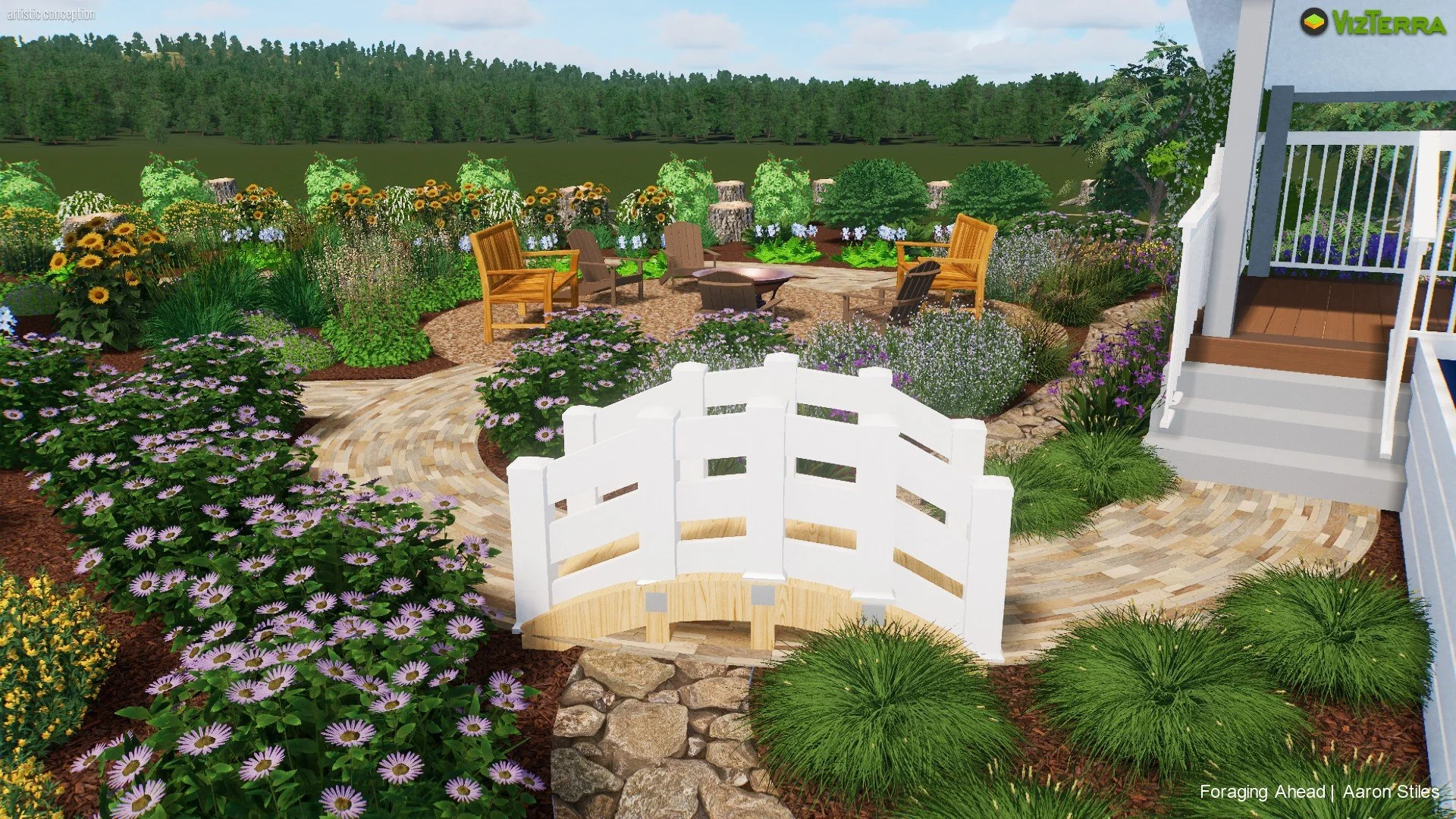
Landscape design featuring a dry creek bed with bridge
Native Vines for Columns and Arches
Native vines can make your home look unique and beautiful when placed and cared for correctly. Many Alabama homeowners and businesses associate vines like Kudzu as harmful, unwanted landscaping features. However, many of our native vines are easier to manage and less destructive. Plants such as Coral Honeysuckle, American wisteria, Passion Vine (which has edible fruit), and even some native legumes like wild kidney beans can be planted to grow over arches and make for a beautiful entry way or accent to your walking garden. These species can also work well for garden columns and pillars.
Foraging Ahead Expert Tip: Good planning is the key to landscaping with vines. Choose solid features that guide vine growth as desired. Avoid introducing vines to columns or pillars that cannot be reached safely by a ladder. Use a trellis if featuring vines near a front porch is desired.
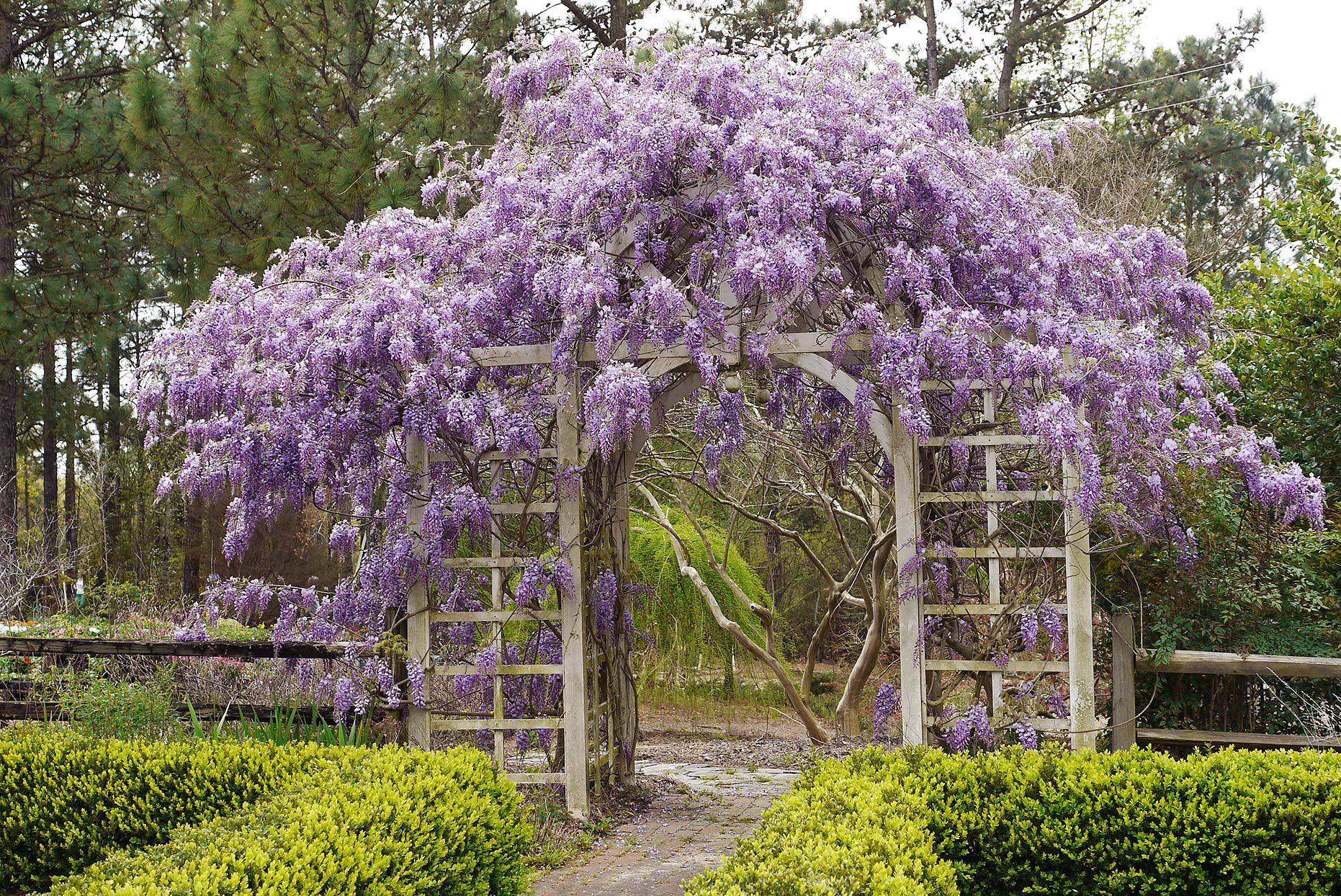
Beautiful display of American wisteria growing in an arch
Native Fruit Trees
While native fruit trees are a fairly time-consuming investment in your landscape, the reward is excellent. Serviceberry, Chickasaw Plum, Pawpaw, and Southern Crab Apples are great options that are low maintenance compared to standard apples or peaches. A small orchard or line of trees framing a fence is a great option for incorporating into your landscape design. Even a solitary tree surrounded by wildflowers in the middle of a circular driveway is an option as well.
Foraging Ahead Expert Tip: While some native fruits are self-fertile, be sure to check before you plant; many species will need two individuals to pollinate
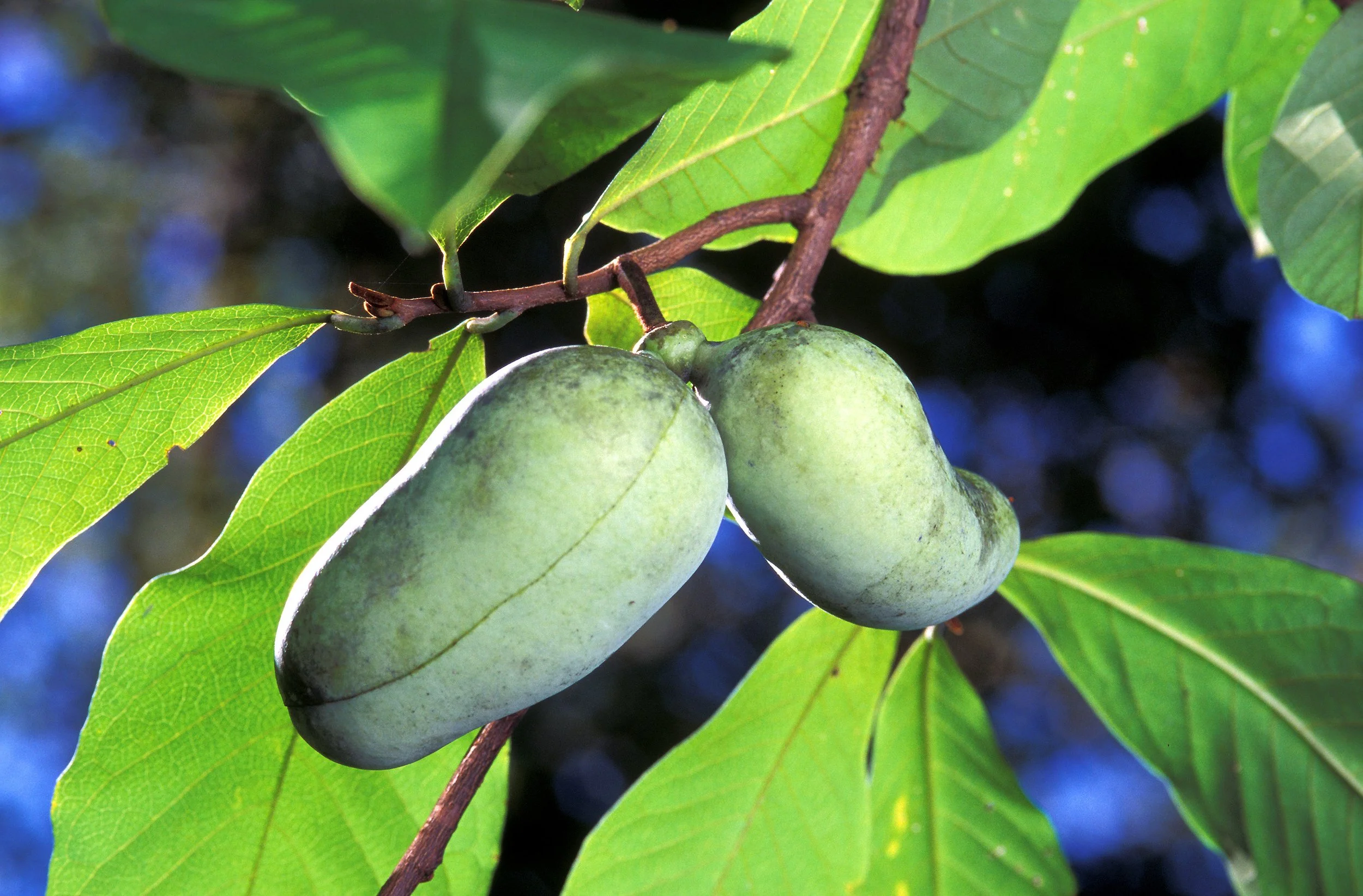
Up close shot of Paw Paw fruit
Screened Porches and Outdoor “Rooms”
The screened porch is a quintessential staple of Alabama home design. However, most overlook its potential for landscape design. Screened porches allow you to enjoy native plants “inside” as they are typically temperature controlled but have excellent sun exposure. Most native blooms can be planted inside pots which can be brought into screened porches to enjoy during the hottest times of the year. If you have external brick window sills be sure to high interest wildflowers on them for maximum effect.
Additionally, outdoor “rooms” also allow you to view the beauty of you natural landscape while staying cool in August and September. They can be made inside shaded areas in-between fences and walls complete with furniture such as benches. Native wildflowers and pavers can be incorporated into the design easily for a natural look. This style is perfect for reading or study areas in spring.
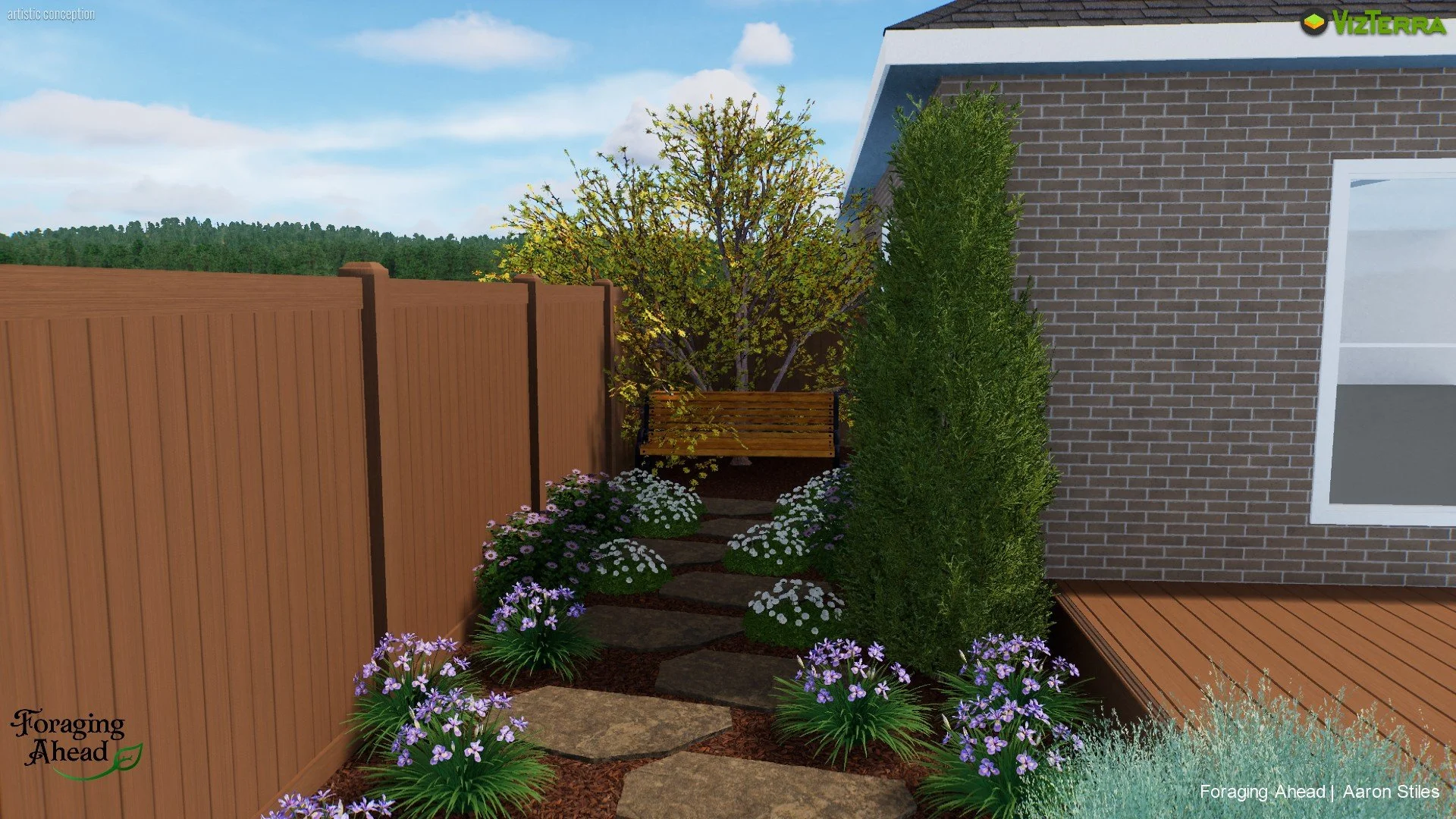
An excellent example of a shaded outdoor room
Stumps and Driftwood Accents
Wood features can look great in gardens and landscaped areas. Cypress and cedar stumps are great choices as they are highly rot resistant and have a unique visual appeal. While not as permanent as rocks, they have the benefit of slowly releasing nutrients to the soil and can be replaced for a low cost or even found for free. Driftwood is another option. Reclaimed wood from big rivers like the Coosa can be found on Facebook Marketplace or by boat. Wood features are also great habitats for beneficial insects that are forage for birds and reptiles.
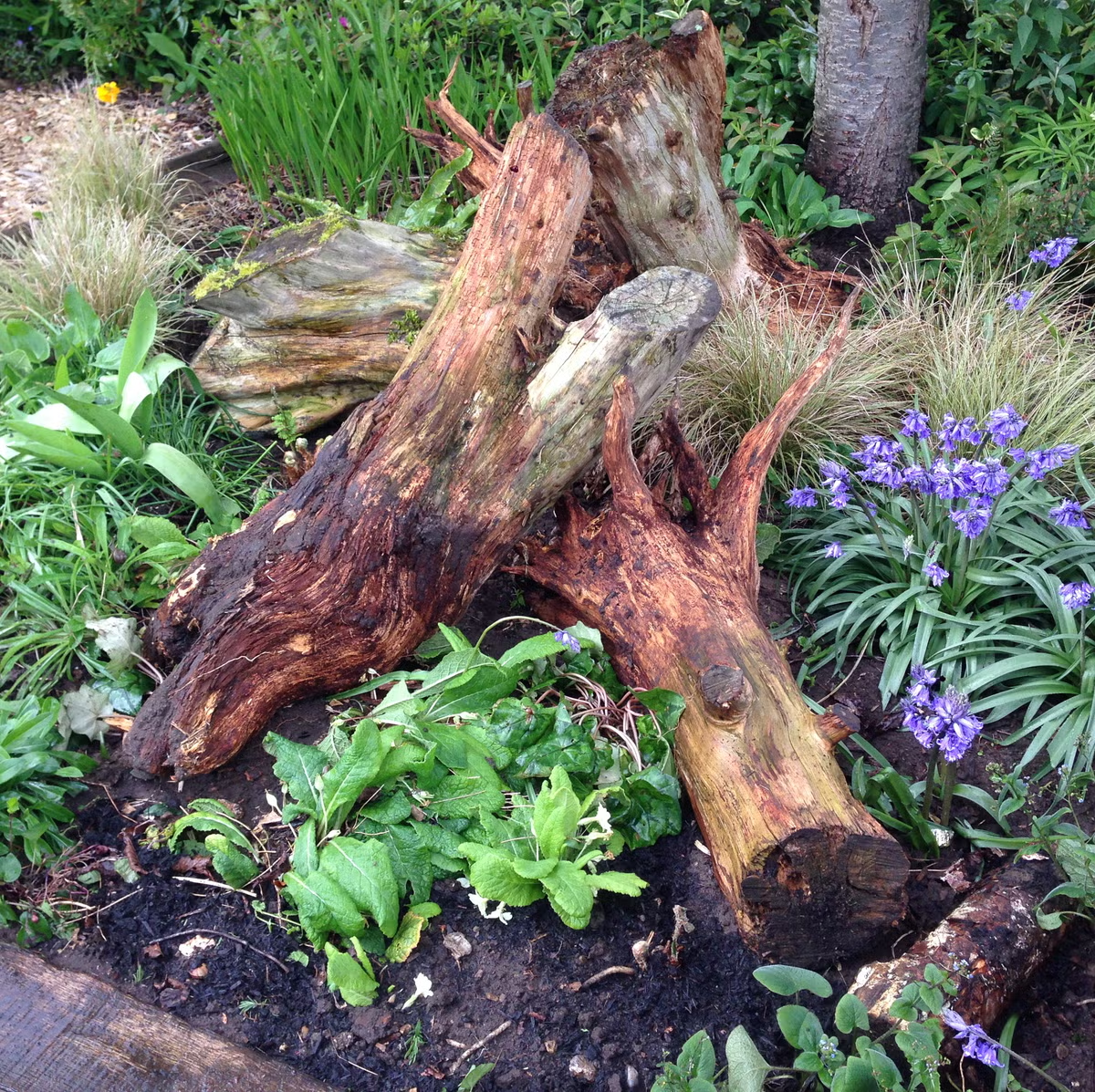
Stumps providing valuable nutrients and habitat
The Ultimate Native Garden - Prairie Gardens
The coastal plain in Alabama was once covered in meadows of native grasses and wildflowers before European colonization. However, you can actually create these habitats in your own front yard with creative landscape designs like prairie yards. Replacing your lawn grass with a native landscape is the best way to support pollinators, reduce water usage, and have a beautiful and unique yard! A well-designed native landscape design should include walking paths, green mulch, and a variety of native perennials to provide blooms all season long. We highly recommend exploring this landscape style if you’re interested in native wildflowers.
We hope you found our article on these 12 landscape design ideas for Alabama helpful. If you’re interested in native plants or need help creating a stunning landscape design, our team is here for you. Contact Aaron, our master landscape designer, today at: 256-850-4582 or click the button below to learn more!